Style
Wedding Dresses in South Africa: Prices, Where to Buy, Hire and Styles
Updated July 2026 · 10 min read
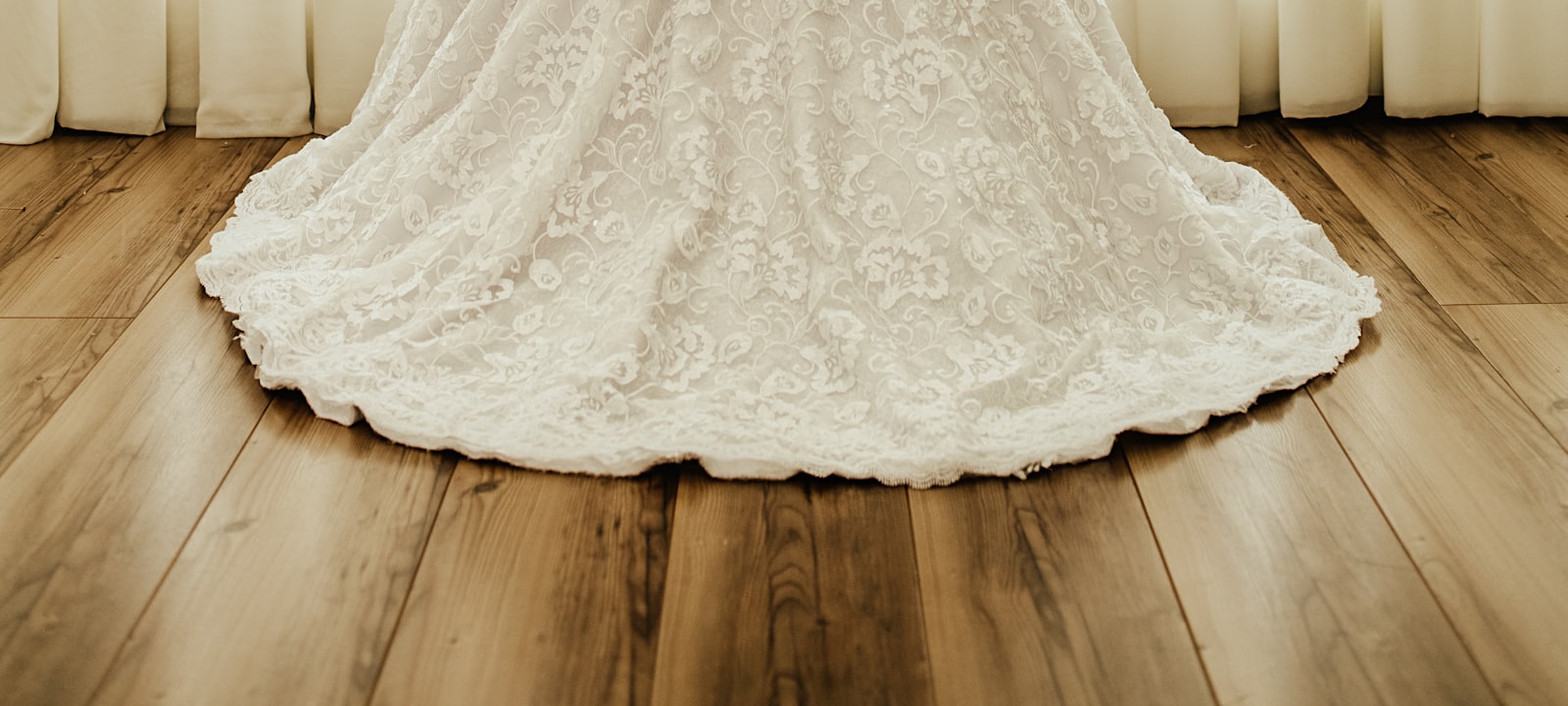
The dress is the one wedding decision that carries more feeling than almost any other, and also more confusion. Prices swing from a few hundred Rand online to well past R60,000 for an imported designer gown, and every boutique, hire studio and online seller tells a slightly different story. Add the very South African reality that many brides wear more than one outfit across a traditional ceremony and a white wedding, and it's easy to feel lost before you've tried on a single dress.
This guide lays out what a wedding dress actually costs in South Africa in 2026, when hiring makes more sense than buying, where to shop in the main centres, how to choose a silhouette that flatters your figure, and how colour and traditional attire fit in. By the end you'll know roughly what to budget, where to start looking, and which style questions to answer before you book your first fitting.
What a Wedding Dress Costs in South Africa
There's no single price for a wedding dress, because you're really choosing between four different routes: hire, off-the-rack, locally made-to-measure, and imported designer. Each comes with its own price band and its own trade-offs on fit, timing and exclusivity. Most South African brides in 2026 spend somewhere between R8,000 and R20,000 on their gown, but perfectly beautiful weddings happen at a fraction of that, and couture happens well above it.
| Route | Typical price (2026) | Best for |
|---|---|---|
| Hire | R2,500 – R8,000 | One-day wear, tight budgets, second outfits |
| Off-the-rack (local boutique) | R5,000 – R15,000 | Trying on and buying the same style you see |
| Made-to-measure (SA designer) | R12,000 – R35,000 | A custom fit and a dress no one else has |
| Imported designer label | R25,000 – R80,000+ | A specific international designer gown |
| Online (Shein and similar) | R500 – R3,000 | Very tight budgets, with real quality risk |
Two things drive the final number more than anything else: fabric and labour. Heavy beadwork, real silk, boned corsetry and long trains all add cost, as does anything hand-finished. A clean, modern crepe sheath from the same designer can cost half what a fully beaded ballgown does. Remember to leave room in your budget for alterations, which almost every bought gown needs.
Buy or Hire? How to Decide
Hiring a wedding dress has shed its old stigma in South Africa and is now a smart, common choice, especially for brides who don't feel sentimental about keeping the gown or who want a designer look for a fraction of the price. Buying still wins if you want to keep the dress, need extensive alterations, or plan to wear it for more than one event. Here's how the two compare.
| Consideration | Hiring | Buying |
|---|---|---|
| Cost | R2,500 – R8,000, far less upfront | R5,000 – R35,000+ depending on route |
| Fit and alterations | Limited; must fit within the studio's rules | Fully tailored to your body |
| Keepsake | Returned after the day | Yours to keep, sell or pass on |
| Designer looks | Access to pricey gowns affordably | Only what your budget buys outright |
| Best suited to | One-day wear, second outfits, budget focus | Sentiment, unusual sizing, multiple wears |
A middle path worth knowing about: buying a pre-loved gown. South African bridal resale groups on Facebook and second-hand bridal boutiques are full of once-worn dresses at half to a third of retail, many still needing only minor alterations. It gives you the keep-it-forever benefit of buying at closer to hire prices, though you'll need to allow time to find the right one and get it fitted.
Where to Find Your Dress: Cape Town, Joburg, Durban and Online
Every major South African city has a strong bridal scene, usually clustered so you can visit several boutiques in one trip. Booking appointments ahead is standard, as most bridal studios work by appointment rather than walk-in, particularly on Saturdays.
- Cape Town: bridal boutiques and designer studios cluster around the city centre, the southern suburbs and areas like Durbanville and Somerset West. The Cape is also home to many made-to-measure designers who work by referral.
- Johannesburg and Pretoria: the biggest concentration of boutiques in the country, spread across the northern suburbs (Sandton, Fourways, Bryanston) and central Pretoria, covering everything from budget off-the-rack to couture.
- Durban and KZN: a growing bridal scene in and around Durban North, Umhlanga and the Berea, with a good mix of boutiques and hire studios.
- Online and chain stores: local retailers and international sites offer budget gowns delivered to your door. This works, but order early and manage expectations, because sizing and fabric rarely match the photos exactly.
A word on very cheap online dresses. A R900 gown from a fast-fashion site can photograph beautifully and arrive looking nothing like the image, in a size that doesn't match any local chart, with fabric that creases the moment you sit. It can work as a budget option or a second outfit if you order months early, accept it may need a local seamstress to rescue the fit, and have a backup plan. Treat the photo as inspiration, not a promise.
How to Choose a Wedding Dress: Silhouettes and Fit
The single most useful thing to understand before you shop is silhouette, the overall shape of the dress, because it matters far more than colour, beading or designer. The right silhouette flatters your figure and suits your venue; the wrong one fights both, no matter how lovely the fabric. Here are the main shapes and who they tend to suit.
| Silhouette | Shape | Tends to suit |
|---|---|---|
| A-line | Fitted top flowing out to the hem in an A | Almost everyone; the safe, flattering all-rounder |
| Ball gown | Fitted bodice with a full, dramatic skirt | Formal venues; balances a fuller lower body |
| Mermaid / trumpet | Hugs the body then flares below the knee | Hourglass figures and brides who love their curves |
| Sheath / column | Straight, relaxed line from top to hem | Beach and garden weddings; tall or slim frames |
| Empire | High waist just under the bust, loose below | Petite frames and pregnant brides |
Match the dress to the day as well as the body. A heavy ball gown with a cathedral train is stunning in a grand hall and a nightmare on a beach or a lawn in February heat. A light crepe sheath is perfect for a garden ceremony but can feel underdressed in a formal cathedral. Think about your venue, the season and how much you want to move and dance before you fall for a silhouette.
Wedding Dress Colours: White and Beyond
White is a relatively modern convention, not a rule, and South African brides increasingly wear whatever suits them. Even within 'white' there's a real choice: bright white can be stark against warmer skin tones, while ivory, champagne and blush are softer and often more flattering. Trying the same dress in two shades of white is one of the most eye-opening moments of dress shopping.
- Ivory and champagne: warmer than pure white and kinder to most skin tones; the most popular choice in practice.
- Blush and soft pink: a gentle, romantic alternative that still reads as bridal.
- Blue and green: increasingly chosen by brides who want something personal; works beautifully for garden and second outfits.
- Black: bold and modern, either as a full gown or as detailing, and a striking choice for an evening or city wedding.
- Red: rich and celebratory, and meaningful in several cultures, whether as the main dress or a reception change.
If a coloured gown feels like a leap, ease into it: a white ceremony dress and a coloured second outfit for the reception gives you both. Many South African brides already plan an outfit change, so a bold colour for the party half of the day is a natural fit rather than a gamble on the whole wedding.
Traditional South African Wedding Attire
For many South African couples the white gown is only part of the picture. Traditional attire carries deep cultural meaning and is worn for lobola celebrations, traditional ceremonies and often for part of the wedding day itself. It is common for a bride to wear a white gown for the ceremony and change into traditional dress for the reception, or to have entirely separate traditional and white weddings.
- Zulu: beadwork, the isidwaba (leather skirt) and the isicholo (traditional hat) feature in umembeso and umabo celebrations, alongside brightly coloured beaded accessories.
- Xhosa: umbhaco, made from printed cloth trimmed with black braid, together with beadwork and a headwrap, worn as the makoti is welcomed into her new family.
- Ndebele: bold geometric beadwork, colourful blankets and neck rings that are among the most recognisable traditional attire in the country.
- Sotho and Tswana: seshweshwe fabric, with its distinctive printed patterns, made up into modern tailored dresses as well as traditional styles.
- Shweshwe more broadly: this heritage printed cotton has become a favourite across cultures for both traditional outfits and modern wedding-party attire.
Traditional outfits are usually made to order by a specialist, so treat them like any other custom garment: start early, book a maker with a strong reputation, and budget for them as their own line item. If you're navigating lobola and multiple ceremonies, our guide to lobola and traditional South African weddings walks through how the celebrations fit together.
Plus-Size and Finding Your Fit
Every bride deserves to try on dresses in her size and see them properly, not squeezed into a sample three sizes too small and pinned at the back. The South African bridal scene has improved a great deal here, with more boutiques carrying genuine plus-size samples and more designers offering made-to-measure, which is often the best route for a flawless fit at any size.
- Call ahead and ask specifically what sample sizes a boutique stocks, so you only visit places that can actually dress you on the day.
- Consider made-to-measure: a dress cut to your exact measurements almost always fits and feels better than an off-the-rack gown altered heavily.
- Prioritise silhouettes that you feel confident in rather than rules about what you 'should' wear; A-line and well-structured ball gowns flatter a wide range of figures.
- Build in extra fitting time, as a custom or heavily altered dress needs two or three fittings to get right.
Your Dress Timeline: When to Start
The most common dress regret isn't the style, it's leaving it too late. Made-to-order gowns and imported designer dresses can take three to six months to arrive, before alterations even begin. Give yourself room so you're choosing calmly, not settling under pressure.
- 8 to 12 months before: start browsing and book your first boutique appointments, especially for made-to-measure or imported gowns.
- 6 to 9 months before: order your dress, so there's time for it to be made or shipped without rushing.
- 2 to 3 months before: first alterations fitting once the gown has arrived.
- 2 weeks before: final fitting, with your shoes and underwear, so the length and fit are exactly right.
- Hiring instead? You can leave it later, often 2 to 4 months out, but book earlier for popular dates and peak season.
Finally, keep the dress in proportion to the whole wedding. It's the piece everyone remembers, but a gown you love from a hire studio or a resale group, worn with confidence, will always outshine an expensive dress that stretched the budget and stole from the food, the photos or the honeymoon. Buy or hire the dress that makes you feel like yourself, then go and enjoy the day.
Frequently Asked Questions
How much does a wedding dress cost in South Africa?
Most South African brides spend between R8,000 and R20,000 on their gown in 2026. Hiring costs roughly R2,500 to R8,000, off-the-rack boutique dresses run R5,000 to R15,000, locally made-to-measure gowns R12,000 to R35,000, and imported designer labels R25,000 and up. Budget an extra R1,500 to R4,000 for alterations.
Is it better to buy or hire a wedding dress?
Hire if you want a designer look for less, don't need to keep the dress, and can fit within the studio's alteration limits. Buy if you want to keep the gown, need significant alterations for your fit, or plan to wear it more than once. Buying pre-loved is a middle option that gives you a keepsake at closer to hire prices.
How early should I start looking for a wedding dress?
Start browsing 8 to 12 months before the wedding and order 6 to 9 months out, because made-to-order and imported gowns can take three to six months to arrive before alterations. If you're hiring, you can leave it later, around 2 to 4 months before, though popular dates book up sooner.
Can I wear a colour other than white to my wedding?
Absolutely. Ivory, champagne and blush are softer alternatives that flatter most skin tones, and bolder brides choose blue, green, red or black. A popular middle path is a white ceremony gown with a coloured outfit change for the reception, which many South African couples already plan for.
Where can I buy or hire a wedding dress in Cape Town, Joburg or Durban?
All three cities have strong bridal scenes. Cape Town's boutiques cluster in the city, southern suburbs and Durbanville and Somerset West; Johannesburg and Pretoria have the widest choice across the northern suburbs and central Pretoria; and Durban's scene centres on Durban North, Umhlanga and the Berea. Book appointments ahead, as most studios work by appointment.
What is the best wedding dress style for my body shape?
An A-line silhouette flatters almost everyone and is the safest starting point. Ball gowns balance a fuller lower body and suit formal venues, mermaid styles show off an hourglass figure, sheath dresses suit beach and garden weddings, and empire lines work well for petite or pregnant brides. Match the shape to your venue and season too.
Are cheap online wedding dresses from sites like Shein worth it?
They can work as a budget option or a second outfit if you order months ahead and have realistic expectations. Sizing and fabric often differ from the photos, so plan for a local seamstress to adjust the fit and keep a backup in mind. For your main gown, trying on in person is usually worth the extra cost.
Keep Reading
Plan Your Wedding with HitchedSA
Free budget tracker, guest list, checklist and venue shortlist, built for South African weddings.
Start Planning Free