Legal
Getting Legally Married in South Africa: Home Affairs, Documents and What the Law Says
Updated July 2026 · 8 min read
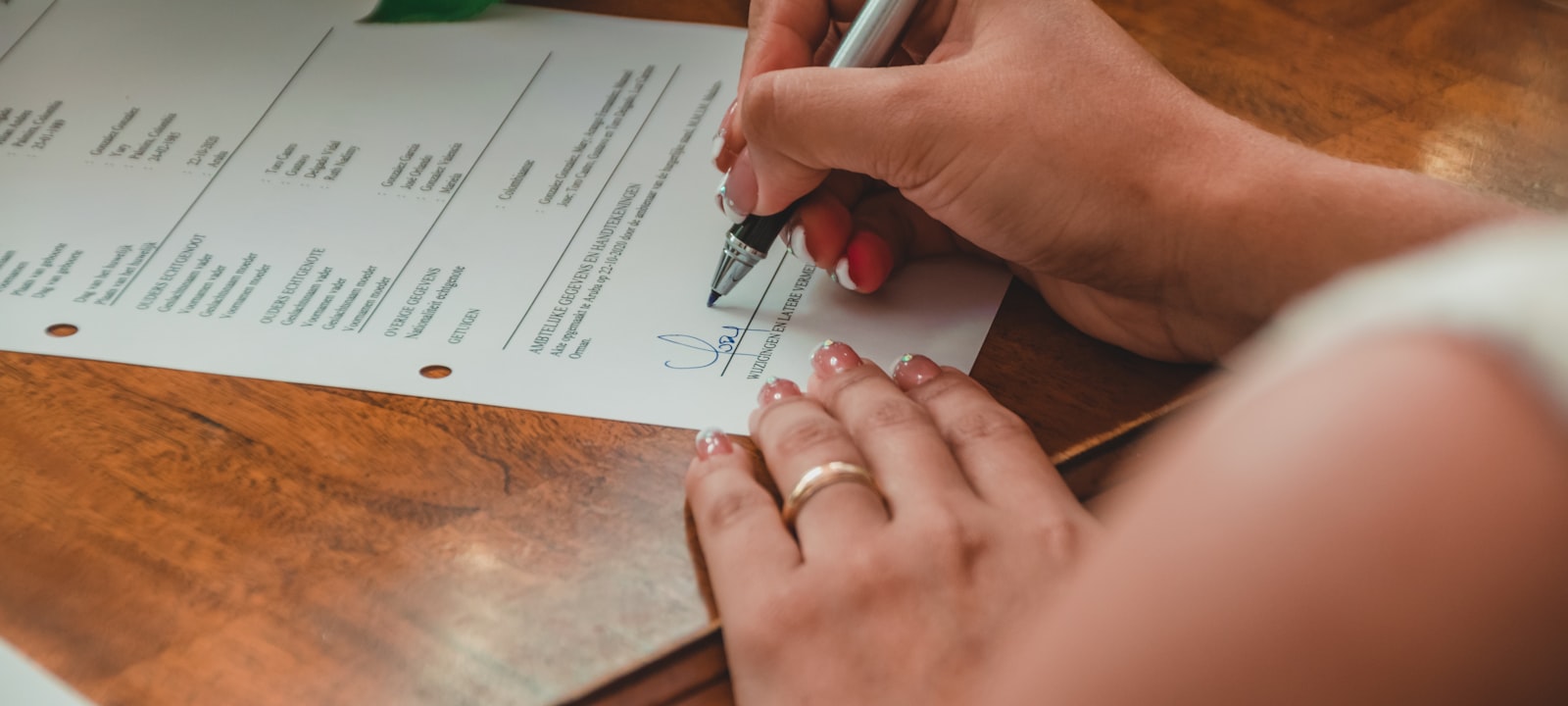
Somewhere between choosing a venue and finalising the seating chart, every South African couple has to deal with the less romantic side of getting married: the law. And it matters more than most people realise. A beautiful ceremony in front of 150 guests means nothing legally if the officiant isn't a registered marriage officer, and skipping an antenuptial contract before the wedding can follow you financially for decades.
The good news is that the legal side is straightforward once you know the rules. This guide covers the three types of legal marriage in South Africa, the documents Home Affairs will ask for, who may marry you, and the big property decision to make before the big day. One note before we start: this is general information, not legal advice. For anything complicated, such as a previous marriage, significant assets or a foreign spouse, spend an hour with an attorney or notary.
The three types of legal marriage in South Africa
South Africa currently recognises three legal routes to marriage, each governed by its own Act. All three produce a valid marriage. The difference lies in who can use each route and how the marriage is concluded. Parliament has been working on a single unified Marriage Bill to replace all three laws, but until it takes effect, these are the three that apply.
| Type | Governing law | Who it's for |
|---|---|---|
| Civil marriage | Marriage Act 25 of 1961 | Opposite-sex couples. The traditional route, solemnised by a Home Affairs official or a designated religious marriage officer. Monogamous only. |
| Civil union | Civil Union Act 17 of 2006 | Any two adults, same-sex or opposite-sex. You choose whether to call it a marriage or a civil partnership; either way it has exactly the same legal consequences as a civil marriage. |
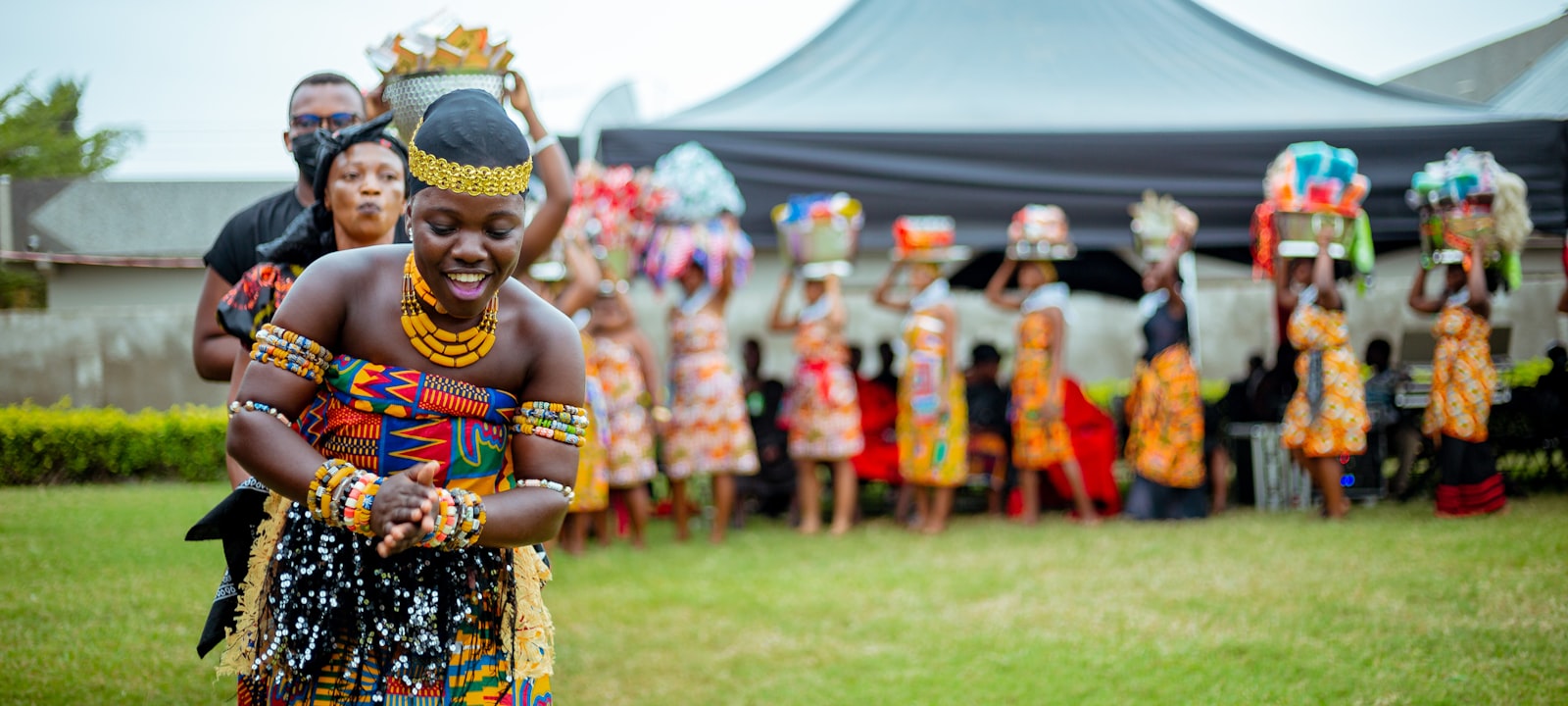
| Customary marriage | Recognition of Customary Marriages Act 120 of 1998 | Couples marrying under African customary law. The marriage must be negotiated and celebrated according to custom (for example, lobola negotiations and a customary celebration). Allows for polygynous marriages under certain conditions. |
One change that catches people by surprise: since the Civil Union Amendment Act took effect in October 2020, Home Affairs marriage officers may no longer refuse to solemnise a same-sex civil union on grounds of personal belief.
Who can legally marry you, and how to check
Only a registered marriage officer can conclude a legal marriage in South Africa. That includes officials at Department of Home Affairs offices, magistrates, and ministers of religion formally designated as marriage officers by Home Affairs. This last point catches couples out every year: being a pastor, priest, imam or rabbi does not automatically make someone a marriage officer. Your officiant must hold a Home Affairs designation with a unique designation number.
If your religious leader isn't designated, you have two options: conclude the legal marriage separately at Home Affairs or with a registered officer, or book a celebrant who holds a designation. Many professional wedding celebrants are registered marriage officers for exactly this reason, but always verify.
The documents you'll need
The paperwork is essentially the same at a Home Affairs office and at your venue with a designated officer. Have clear copies ready well before the day, and remember that busy Home Affairs branches often need appointments booked weeks or months ahead.
- Green barcoded ID book or smart ID card for both of you, plus clear copies
- Copies of the IDs of your two witnesses, who will countersign the marriage register
- If either of you is divorced: the final decree of divorce
- If either of you is widowed: the deceased spouse's death certificate
- If either of you is under 18: written consent from both parents or legal guardians (and in some cases the Minister of Home Affairs or a court)
- For foreign nationals: a valid passport with entry stamp or visa, plus a Letter of No Impediment from their home country confirming they are legally free to marry
- For anyone without a South African ID: a completed BI-31 form (Declaration for the Purpose of Marriage), sworn before the marriage officer
Foreign nationals marrying South African citizens should build in extra time. The Letter of No Impediment comes from the foreign spouse's home country (usually via their embassy or civil registry) and can take weeks, and Home Affairs may interview the couple to confirm the marriage is genuine. Start at least three months before the wedding.
The ceremony, the witnesses and the register
The legal core of a South African wedding is short and unglamorous: in the presence of your marriage officer and two competent witnesses, you each confirm you take the other as your lawful spouse, and then both of you, both witnesses and the officer sign the marriage register (form DHA-30). Everything else (the vows, the sermon, the confetti) is ceremony, not law. Witnesses can be anyone over 18 with valid ID; most couples use their best man and maid of honour, or their parents.
After the signing, the marriage officer must submit the register to Home Affairs so your marriage is recorded in the National Population Register. A good officer does this within days. You'll usually receive a handwritten abridged marriage certificate on the day itself; keep it safe, but don't treat it as proof that registration is complete.
Your marriage certificate: abridged vs unabridged
The abridged certificate from your wedding day shows your names, the date and registration details, and covers most everyday purposes in South Africa: banks, medical aid, insurance, SARS and surname changes. The unabridged (full) certificate contains complete details of both spouses, including ID numbers, places of birth and parents' particulars.
You'll need the unabridged version for anything international: visa and immigration applications, registering your marriage abroad, emigration or a spouse's citizenship application. Apply at any Home Affairs office on form DHA-130; the fee is currently R75, and processing can take from a few weeks to a few months. If you're planning to live overseas, apply soon after the wedding while everything is fresh in the system.
In community, out of community and the accrual: the money decision
Here is the single most important legal fact in this article: if you sign nothing before your wedding, you are automatically married in community of property, the default under South African law. Your assets and debts merge into one joint estate: everything either of you owns or owes, before and during the marriage, belongs to both of you equally. You'll need each other's consent for major transactions, and if one spouse runs into debt or insolvency, the joint estate is exposed.
To marry out of community of property, you must sign an antenuptial contract (ANC) before a notary public (a specially qualified attorney) before the wedding day. The notary then registers it at the Deeds Office within three months of signing. A standard ANC typically costs between R1,500 and R6,000 depending on complexity, with many notaries offering all-inclusive packages around R2,000 to R3,000. Given what's at stake, it's some of the best money you'll spend on the wedding.
Out of community comes in two flavours. Without accrual, what's yours stays yours and what's theirs stays theirs: two completely separate estates. With accrual (the more popular modern choice), you each keep what you brought into the marriage but share equally in the growth of your estates during it. Accrual is widely seen as the fairest option where one partner may earn less or pause a career to raise children.
Customary marriages: register on time
A customary marriage is legally valid from the moment it is properly negotiated and celebrated according to custom; registration doesn't create the marriage. But the Recognition of Customary Marriages Act requires registration at Home Affairs within three months, and skipping it causes real problems later: proving the marriage for inheritance, pensions, medical aid or divorce becomes a difficult, sometimes costly court exercise, and surviving spouses often pay the price.
To register, both spouses visit Home Affairs together with their IDs and at least one witness from each family who can confirm the marriage took place. Important for existing couples: the Minister of Home Affairs has set a deadline of 31 August 2026 for registering customary marriages concluded after 15 November 2000 that were never registered. If that's you or a family member, make the trip now. A monogamous customary marriage is also in community of property by default; an antenuptial contract signed before the marriage works the same way here.
Name changes and the mistakes to avoid
After the wedding, a woman may take her husband's surname, double-barrel both, keep her own name or revert to a previous surname. No formal application is needed, just an update at Home Affairs with your ID and marriage certificate, followed by a new smart ID card. A man wanting to take his wife's surname must apply formally to Home Affairs. Once your ID is updated, work through the rest: bank, SARS, medical aid, driver's licence, passport and employer.
- Assuming the venue ceremony made it legal: if the officiant wasn't a designated marriage officer or the register wasn't signed and submitted, you are not married in law
- Signing the antenuptial contract after the wedding: it must be executed before a notary before the marriage, or the default in community of property applies
- Never verifying registration: always confirm your married status with Home Affairs a few weeks after the wedding
- Foreign spouses leaving the Letter of No Impediment too late: it can take weeks to obtain from a home country
- Not registering a customary marriage: valid or not, an unregistered marriage is hard to prove when it matters most
- Only getting an abridged certificate when you plan to emigrate or apply for visas: apply for the unabridged version early
A final reminder: marriage law affects your property, your estate and your children, and every couple's situation is different. Treat this guide as an orientation map, and for specific decisions, especially the antenuptial contract, get advice from a qualified attorney or notary.
Frequently Asked Questions
Can we get married at our wedding venue, or do we have to go to Home Affairs?
You can legally marry anywhere in South Africa, as long as a registered marriage officer solemnises the marriage and two witnesses sign the register. Many couples use a professional celebrant who is a designated marriage officer at their venue. Marrying at a Home Affairs office is free but usually requires booking well in advance.
How do I check if our pastor is a registered marriage officer?
Ask for their marriage officer designation number, then verify it with the Department of Home Affairs in Pretoria on 012 406 2685. Being ordained is not enough: a minister of religion must be formally designated by Home Affairs to conclude legal marriages.
What happens if we don't sign an antenuptial contract?
You are automatically married in community of property, meaning one joint estate sharing all assets and all debts. If that's not what you want, you must sign an ANC before a notary public before the wedding day. Changing the regime afterwards requires an expensive High Court application.
How much does an antenuptial contract cost in South Africa?
A standard ANC typically costs between R1,500 and R6,000, including notarial execution and registration at the Deeds Office. Many notaries offer all-inclusive packages in the R2,000 to R3,000 range, with complex contracts involving businesses or trusts costing more.
How long does it take to get a marriage certificate?
You usually receive an abridged certificate on your wedding day once the register is signed. The unabridged certificate, needed for visas and international use, is applied for on form DHA-130 for R75 and can take several weeks to a few months, so apply early if you'll need it.
Is a customary marriage valid if it was never registered at Home Affairs?
Yes. A customary marriage properly negotiated and celebrated according to custom is legally valid even if unregistered. But proving it later for inheritance, pensions or divorce is much harder, so registration within three months is required by the Act. Unregistered customary marriages concluded after 15 November 2000 must be registered by 31 August 2026 under the current ministerial deadline.
Keep Reading

Plan Your Wedding with HitchedSA
Free budget tracker, guest list, checklist and venue shortlist, built for South African weddings.
Start Planning Free