Traditions
Lobola and Traditional South African Weddings: A Modern Couple's Guide
Updated July 2026 · 8 min read
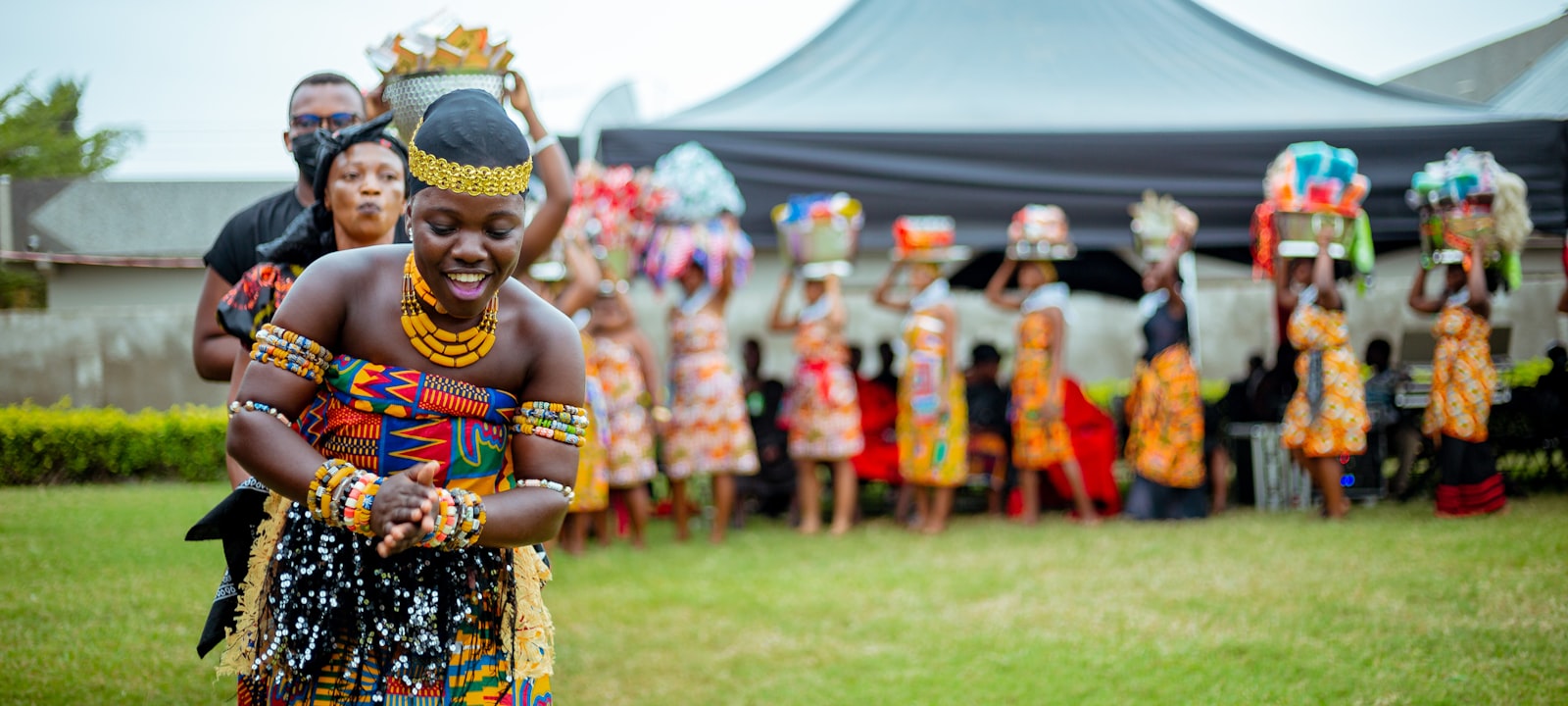
For many South African couples, getting married is a journey rather than a single event: a series of meaningful moments that unite two families long before anyone walks down an aisle. At the heart of that journey sits lobola, one of the country's oldest and most widely practised traditions, alongside ceremonies like umembeso, umabo, utsiki and the magadi celebrations of Sotho and Tswana families.
If you're navigating both tradition and modern life, perhaps planning a traditional ceremony and a white wedding, or marrying across cultures, this guide walks you through what each custom means, how the modern lobola process unfolds, and the practical side of budgets, timelines and registering your customary marriage with Home Affairs.
What Lobola Really Means
Let's clear up the biggest misconception first: lobola is not the purchase of a bride, and describing it that way misses the point entirely. At its heart, lobola is a gesture of gratitude and respect from the groom's family to the bride's family, and a formal process that joins two families into one, not only the two people marrying. The negotiations, gifts and celebrations exist to build a relationship between the families, to show that the groom is serious and capable, and to honour the bride's family for raising her.
The tradition goes by different names across South Africa's cultures: lobola or ilobolo among Zulu and Xhosa families, magadi or bogadi in Sepedi and Setswana traditions, and mahadi or bohali in Sesotho. The details differ, but the purpose is remarkably consistent: uniting families, showing respect and laying a foundation for a marriage the whole community recognises. Many couples find that going through the process with patience and open communication strengthens both their relationship and their bond with their in-laws.
The Modern Lobola Process, Step by Step
While every family has its own way of doing things, the modern lobola process generally follows a recognisable path. Expect it to take weeks or months from first letter to final celebration. This is not something to rush.
- The letter: the groom's family writes a formal letter to the bride's family expressing their intention to begin lobola discussions. Tradition holds that the groom does not deliver it himself (a trusted messenger or relative does), and the letter proposes dates for the families to meet.
- The delegation: once the bride's family accepts, each side appoints negotiators. In Zulu and Xhosa families these are the abakhongi, typically uncles and senior relatives, while in Tswana families the delegation is often led by the malome (uncle) and rakgadi (paternal aunt). The couple themselves usually do not sit in the negotiations.
- The negotiations: the families meet at the bride's home, sometimes over more than one sitting, to discuss the lobola, how it will be delivered (cattle, cash or a combination), and any additional customary gifts. In many families a designated person on each side records what was agreed, and the delegates sign it.
- Payment and celebration: once agreement is reached, the lobola (or an agreed first portion) is handed over, and the day ends in celebration with a meal, singing and the first real gathering of the two families as one. In some cultures the festivities continue over two or three days.
How Much Is Lobola? Modern Considerations
There is no fixed price for lobola, and anyone who quotes you a definitive number is guessing. Historically lobola was counted in cattle, and many families still frame negotiations around a number of cows even when the actual transfer happens in cash. What that translates to varies enormously by family, region, culture and circumstance.
Modern negotiations often take practical realities into account: the couple still needs to build a life together, and many elders acknowledge that an amount which cripples the newlyweds serves nobody. Some families agree to staged payments over time; others temper expectations so the couple can afford both the traditional celebrations and a white wedding. What matters most is that both families feel the process was conducted with respect, and that the agreement is honoured.
Umembeso and Umabo: Zulu Traditions Explained
In Zulu tradition, lobola is followed by further ceremonies that carry deep meaning. Umembeso is a joyous gift-giving ceremony at the bride's family home, where the groom's family presents gifts (typically blankets, grass mats, headscarves, pinafores and sometimes livestock) to the bride's parents and relatives as a token of gratitude and respect. It is a full celebration in its own right, with the groom's family welcomed at the gate with song and dance, followed by feasting.
Umabo is the traditional Zulu wedding itself, held at the groom's family home, and many families consider a couple not fully married in the customary sense until it has taken place. Here the direction of giving reverses: the bride, accompanied by her family, distributes gifts such as blankets and sleeping mats to her new in-laws. Umabo carries spiritual weight, as it introduces the marriage to the ancestors, and it often takes place after the white wedding, sometimes years later when finances allow. A common Zulu sequence is lobola, then umembeso, then the white wedding, then umabo.
Xhosa, Sotho and Tswana Traditions
Xhosa weddings centre on the bride's welcome into the groom's family. After lobola, the key ritual is utsiki, in which the new makoti is formally received at the groom's home: a goat or sheep is slaughtered, and the bride partakes of the meat, and in many families amasi (sour milk), to introduce her to the family and its ancestors. She is also given a new name by her in-laws, often one expressing hope or trust, which the family uses from that day on. The broader wedding celebration, ukwenda, can span more than one day of feasting.
In Sotho and Tswana families, the equivalent of lobola is known as magadi, bogadi or mahadi. The Tswana process, patlo, unfolds in stages, from pulamolomo (literally 'opening the mouth', the formal request to begin talks) through negotiations to go isa ngwetsi, the delivering of the bride to her new family. Livestock symbolism remains strong, though modern families often settle in cash or a mix, and celebrations feature traditional attire, singing and the two families feasting together, with aunts and uncles playing central ceremonial roles.
| Culture | Term for the custom | Key ceremonies |
|---|---|---|
| Zulu | Ilobolo / lobola | Lobola negotiations, umembeso (gifts to the bride's family), umabo (traditional wedding at the groom's home) |
| Xhosa | Lobola | Lobola negotiations, ukwenda (wedding celebration), utsiki (welcoming the bride, naming, introduction to the ancestors) |
| Sepedi / Tswana | Magadi / bogadi | Patlo stages from pulamolomo to go isa ngwetsi (delivering the bride) |
| Sesotho | Mahadi / bohali | Mahadi negotiations followed by family celebrations and the bride's welcome |
Combining a Traditional and White Wedding
Most modern South African couples don't choose between tradition and a white wedding; they do both. The celebrations honour different things: the traditional ceremonies bind the families and the ancestors, while the white wedding is often the couple's personal celebration with friends and their wider community. There is no single correct order. A common sequence is lobola first, then the traditional celebrations, then the white wedding, though many Zulu families hold umabo after the white wedding.
- Spread the events out: allow a few months between lobola and the white wedding so budgets and energy can recover. Many couples spread the full journey over a year or more.
- Budget for both from day one so the traditional ceremonies aren't squeezed by venue deposits, or vice versa.
- Decide what is shared and what is separate: some couples host one combined celebration with a traditional attire change midway; others keep two distinct days with separate guest lists.
- Agree expectations with both families early: which elders must be consulted, which rituals are non-negotiable, and who hosts what.
- Book traditional attire and cultural elements as early as you book the venue. Good outfit makers and caterers for large family gatherings fill up too.
The Legal Side: Registering Your Customary Marriage
Under the Recognition of Customary Marriages Act 120 of 1998, a customary marriage (one negotiated and celebrated according to customary law) is fully recognised in South African law. To be valid, both partners must be 18 or older, must freely consent to marry each other under customary law, and the marriage must be negotiated and entered into in accordance with custom. In practice, that means completed lobola negotiations followed by the customary celebration and handing over of the bride.
The Act asks couples to register the marriage at Home Affairs within three months of the ceremony. Registering doesn't create the marriage (an unregistered monogamous customary marriage is still valid), but the certificate is your proof, and without it spouses (very often women) can struggle to claim inheritance, pension benefits, medical aid and property rights when it matters most. Both spouses go to any Home Affairs office with their IDs, a witness from each family, and proof of the marriage such as the lobola agreement or letter. Home Affairs has also set a deadline of 31 August 2026 for registering older customary marriages concluded after November 2000 that were never registered. If this applies to you or your parents, act now.
One more legal point: a monogamous customary marriage is automatically in community of property unless you sign an antenuptial contract, and that contract must be concluded before the customary marriage takes place, not before a later white wedding. If you want to marry out of community of property, see a notary before the customary celebration happens.
Etiquette for Modern and Blended Families
Real families are wonderfully complicated. Perhaps the bride's parents are divorced, an uncle who would traditionally lead negotiations has passed away, or one of you grew up outside the culture entirely. Custom is more flexible than people fear: families routinely appoint stand-in negotiators, involve mothers and aunts more prominently than in generations past, and adapt rituals for interfaith and intercultural couples. What earns respect is a sincere effort to honour custom, not perfect knowledge of protocol.
- If you're unfamiliar with your partner's customs, ask their family to walk you through what to expect; the asking itself is a sign of respect.
- Dress modestly for traditional gatherings, and follow your hosts' lead on greetings, seating and serving.
- Never negotiate on your own behalf or interrupt the elders during lobola talks; raise concerns through your family's delegation afterwards.
- Where families are blended, agree in advance who fulfils each traditional role, and make sure both biological and step-relatives feel acknowledged on the day.
Frequently Asked Questions
How does lobola work in South Africa?
The groom's family sends a formal letter to the bride's family requesting lobola negotiations, then each family appoints a delegation of elders to negotiate on the couple's behalf. Once the families agree, payment (or a first portion) is made and the day ends in celebration. The process can take weeks or months and varies between families and cultures.
Is lobola the same as buying a bride?
No. This is a common and unfortunate misconception. Lobola is a gesture of gratitude and respect from the groom's family to the bride's family, and its real purpose is to unite the two families and formally recognise the marriage within the community. The bride is never a commodity in the tradition's own understanding of itself.
What is the difference between umembeso and umabo?
Umembeso is a Zulu gift-giving ceremony at the bride's family home, where the groom's family presents gifts like blankets, mats and headscarves to thank the bride's family. Umabo is the traditional Zulu wedding held at the groom's home, where the bride distributes gifts to her in-laws and the marriage is introduced to the ancestors. Many families consider the couple fully married only after umabo.
Do we have to register our customary marriage with Home Affairs?
The Recognition of Customary Marriages Act asks you to register within three months of the ceremony. An unregistered monogamous customary marriage remains valid, but the certificate is your proof for inheritance, pensions, medical aid and property claims. Take your IDs, a witness from each family and proof such as the lobola agreement to any Home Affairs office.
Can we have both a traditional wedding and a white wedding?
Absolutely. Most South African couples do both, and there's no single correct order. A common sequence is lobola, then the traditional celebrations, then the white wedding, though in Zulu tradition umabo often follows the white wedding. Budget for both from the start and spread the events out so neither celebration gets shortchanged.
How much does lobola cost?
There is no set amount. Lobola varies by family, region, culture and circumstance, and it's negotiated by the families' elders, not read off a price list. Negotiations are often framed in cattle even when settled in cash, and many modern families deliberately agree on terms that don't financially cripple the couple, sometimes allowing staged payments over time.
Keep Reading



Plan Your Wedding with HitchedSA
Free budget tracker, guest list, checklist and venue shortlist, built for South African weddings.
Start Planning Free